
Window Replacement
Replace aging or inefficient windows with the trim, flashing, interior touch-up, and exterior transitions needed around the opening.
Window and door work starts with the opening, the condition around it, and the performance or appearance you want to improve.
Drafts, sticking, visible damage, water, failed glass, and dated products can point to very different scopes. Start with what you notice in daily use.
You feel air movement, rooms are uncomfortable, or the opening performs poorly in hot or cold weather.
Start with this 02The window or door binds, will not latch correctly, or has become difficult to open and close.
Start with this 03Staining, soft trim, failed caulk, or visible deterioration around the sill, jamb, or exterior trim.
Start with this 04Condensation or haze appears between panes, or the glass itself is damaged.
Start with this 05The openings function, but the style, trim, hardware, or appearance no longer fits the house.
Start with this 06You are considering several windows, doors, or an entire elevation rather than one isolated opening.
Start with thisSometimes the problem is the unit. Other times it is trim, flashing, water entry, movement, or a damaged opening. The scope should reflect the actual condition.
Targeted replacement for a few failing windows or doors, including the finish work around them.
A grouped replacement where matching, scheduling, trim, and exterior details can be handled as one package.
A larger replacement plan where product consistency, access, trim, and sequencing matter more.
Replacement is more than setting a new unit in the opening. Water management, exterior trim, interior finish, and adjacent siding matter too.
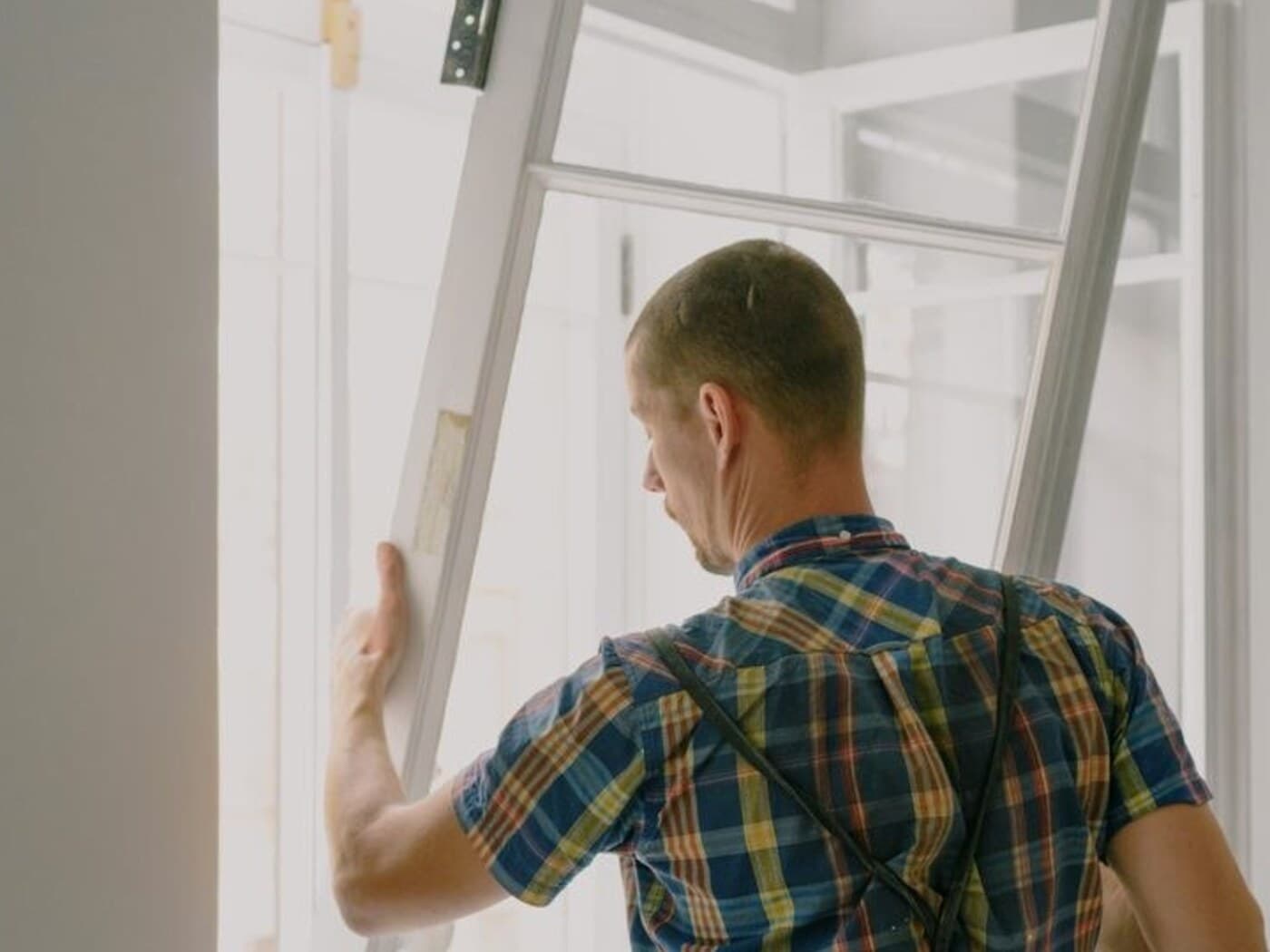
Replace aging or inefficient windows with the trim, flashing, interior touch-up, and exterior transitions needed around the opening.
Upgrade front, side, and service doors with attention to weather protection, hardware, threshold, and surrounding finishes.
Handle larger door openings along with trim, flooring transitions, hardware, and weatherproofing.
Address localized rot, trim damage, water intrusion, or framing issues discovered around windows and doors.
A replacement only works well when the opening, water-management details, trim, and operation are considered together.
How the sash or door moves, closes, latches, and sits in the opening.
Visible deterioration, movement, gaps, or finish damage around the opening.
How the opening connects to siding, trim, weather-resistive layers, and other exterior details.
Casing, drywall, paint, flooring transitions, and other interior work that may be affected.
Actual opening size, handing, swing, configuration, and clearances that determine product fit.
Siding, trim, and moisture conditions that may need attention while the opening is accessible.
Product choice matters, but installation is where comfort and water management are won or lost. The opening, flashing, seal, trim, and adjacent exterior all have to work together.
Flashing, trim, sill, threshold, sealant, and finish work are part of a successful replacement.
Siding, trim, and adjacent weather barriers are considered with the new window or door.
The exterior and interior touch-up work is scoped with the installation instead of left for later.
These are the details that can materially change labor, material, access, demolition, repair work, or project sequence.
A few standard windows is a different project from a full-house replacement or oversized units.
Window style, frame material, glass package, door type, and hardware affect material cost and lead time.
Rot, water intrusion, out-of-square framing, or damaged trim can add repair work around the unit.
Trim, paint, siding transitions, thresholds, and flooring touch-ups should be accounted for in the scope.
Tell us how many windows or doors are involved and whether the problem is drafts, water, rot, operation, appearance, or a larger replacement plan.
The product matters, but so does how the opening is prepared, flashed, trimmed, and finished inside and out.
See how we run the full projectThese are the questions that usually matter before the work becomes a clear plan.
Both can be considered. The right scope depends on the condition of the existing openings, consistency goals, budget, and whether other exterior work is happening at the same time.
Localized repair can be included if damaged trim or framing is discovered. The extent should be documented before or during installation.
That can be included in the scope so the replacement is finished rather than leaving a separate trim or paint job behind.
Yes. If both are planned, the window, flashing, trim, and siding details can be reviewed together before the exterior is closed back up.
Individual openings can be addressed when that makes sense. The decision depends on the condition of the other openings, product matching, the reason for replacement, and whether a phased approach will still produce a consistent result.
Some surrounding finish work may be necessary depending on the existing installation and the replacement method. That work should be identified in the scope rather than treated as an afterthought.
Before final measurements and rough work. Door size, handing, swing, threshold, hardware, glass, and trim can all affect the opening and installation details.
Comfort, operation, water, damage, appearance, or a larger replacement plan are all useful starting points.
Prefer the full estimate form?Send the property ZIP, approximate quantity, and what is bothering you about the existing openings.