
Tenant improvement
A new tenant needs the space built out or reconfigured before occupancy.
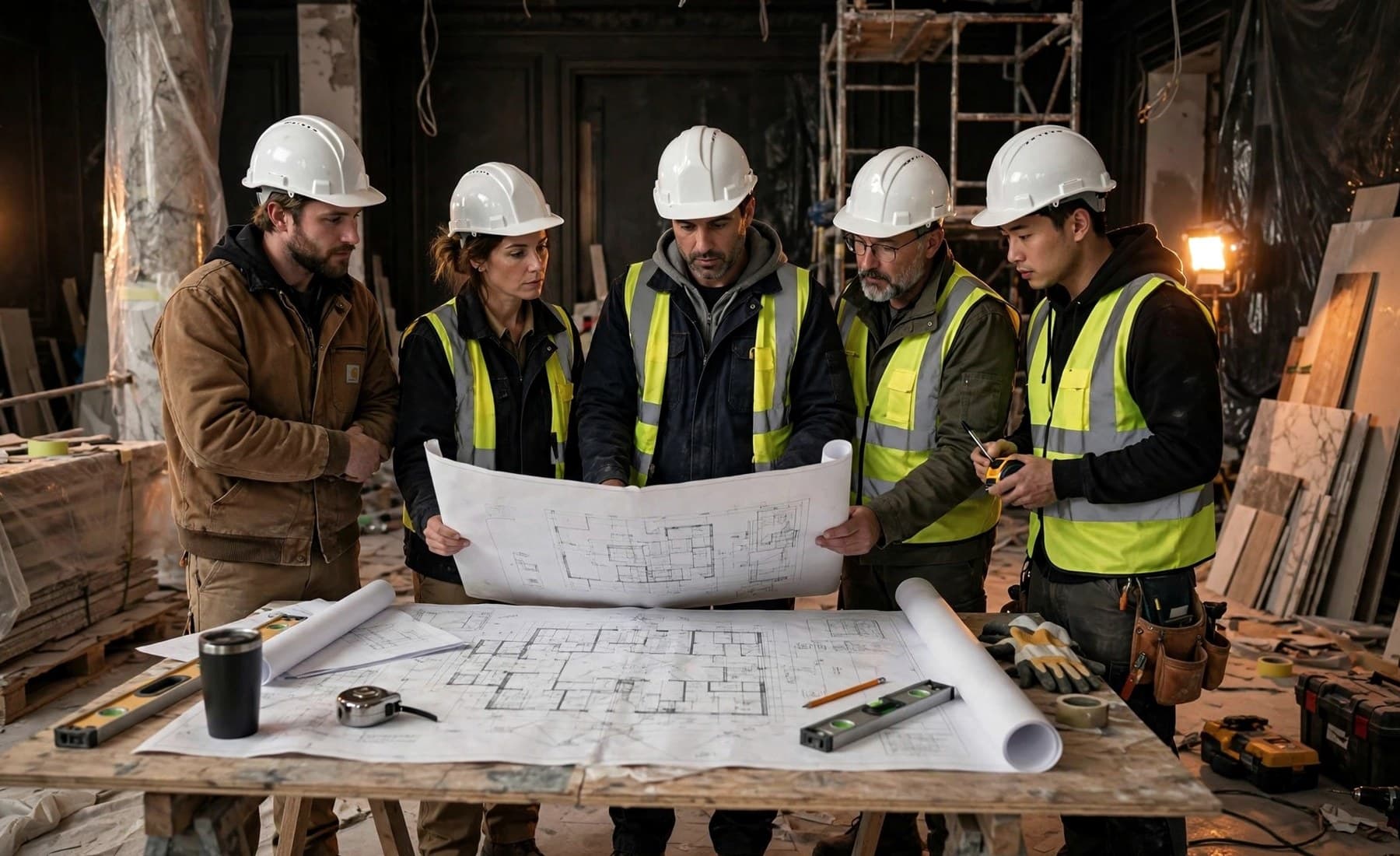 Representative service image
Improve the space without losing sight of the deadline.
Tenant improvements, offices, retail spaces, and property upgrades are defined by the use of the space, the work required, and the date it needs to be ready.
Your name, property ZIP, a short description, and one contact method are enough to begin.
Send the property ZIP, the type of space, what needs to change, and any important timing constraints.
Commercial improvements are shaped by use, schedule, access, and the condition of the space. The finish package only matters after those requirements are clear.
A new tenant needs the space built out or reconfigured before occupancy.
The space needs new rooms, finishes, lighting, flooring, millwork, or a more useful layout.
The space needs a visual and functional refresh while maintaining practical access and business requirements.
Bathrooms, sinks, break areas, or building systems need to be added, updated, or relocated.
Work needs to happen around employees, tenants, customers, or ongoing building operations.
Lease, opening, turnover, or operational dates are important constraints from the beginning.
Commercial scope is shaped by occupancy, building rules, landlord requirements, inspections, phasing, access, systems, and the date the space needs to be usable.
Build-out or reconfiguration for a tenant planned around drawings, landlord requirements, and occupancy timing.
Start with thisUpgrade or rework office space while accounting for access, phasing, finishes, systems, and business continuity.
Start with thisFocused improvements to common areas, exteriors, finishes, or building elements without a full tenant build-out.
Start with this Representative service image
The existing space, intended use, and operating constraints all need to agree with the proposed work.
How the space will be used, who occupies it, and what functional changes are actually required.
Electrical, plumbing, HVAC, lighting, life-safety interfaces, and other building systems affected by the work.
Delivery routes, work hours, occupied areas, protection, and whether the project has to be sequenced around ongoing operations.
Rules, submittals, insurance requirements, approvals, and finish standards that may apply before work starts.
Existing plans, permit drawings, design documents, and inspection requirements needed for the intended scope.
Opening dates, lease dates, turnovers, material lead times, and other milestones that cannot be treated as an afterthought.
Commercial work has to account for occupancy, landlord or building requirements, inspections, phasing, finish standards, and the date the space needs to be usable.
Handle interior demolition, framing, ceilings, finishes, electrical, plumbing, flooring, paint, and final corrections for leased spaces.
Update occupied or vacant office space around schedule, access, phasing, finish standards, and operational needs.
Manage build-out and renovation details where appearance, opening dates, access, and finish quality all matter.
Handle recurring or multi-part improvements for commercial and multifamily properties.
A commercial build-out is not finished when the last surface looks good. Access, systems, approvals, phasing, corrections, and the operational deadline all have to line up with the way the space will actually be used.
Commercial work can have more constraints, so inclusions, exclusions, access, and finish requirements should be explicit before work starts.
Access, occupancy, deliveries, inspections, and opening requirements are treated as project constraints, not side notes.
Final corrections and remaining documentation stay visible until the project is actually complete.
For Bristow commercial improvements, the first useful distinction is whether the project is a finish refresh, interior tenant alteration, systems change, exterior alteration, or work that affects occupancy, accessibility, or life-safety conditions. Prince William County requires alteration or repair plans for renovations to existing commercial tenant spaces and uses electronic plan review for commercial permit approval.
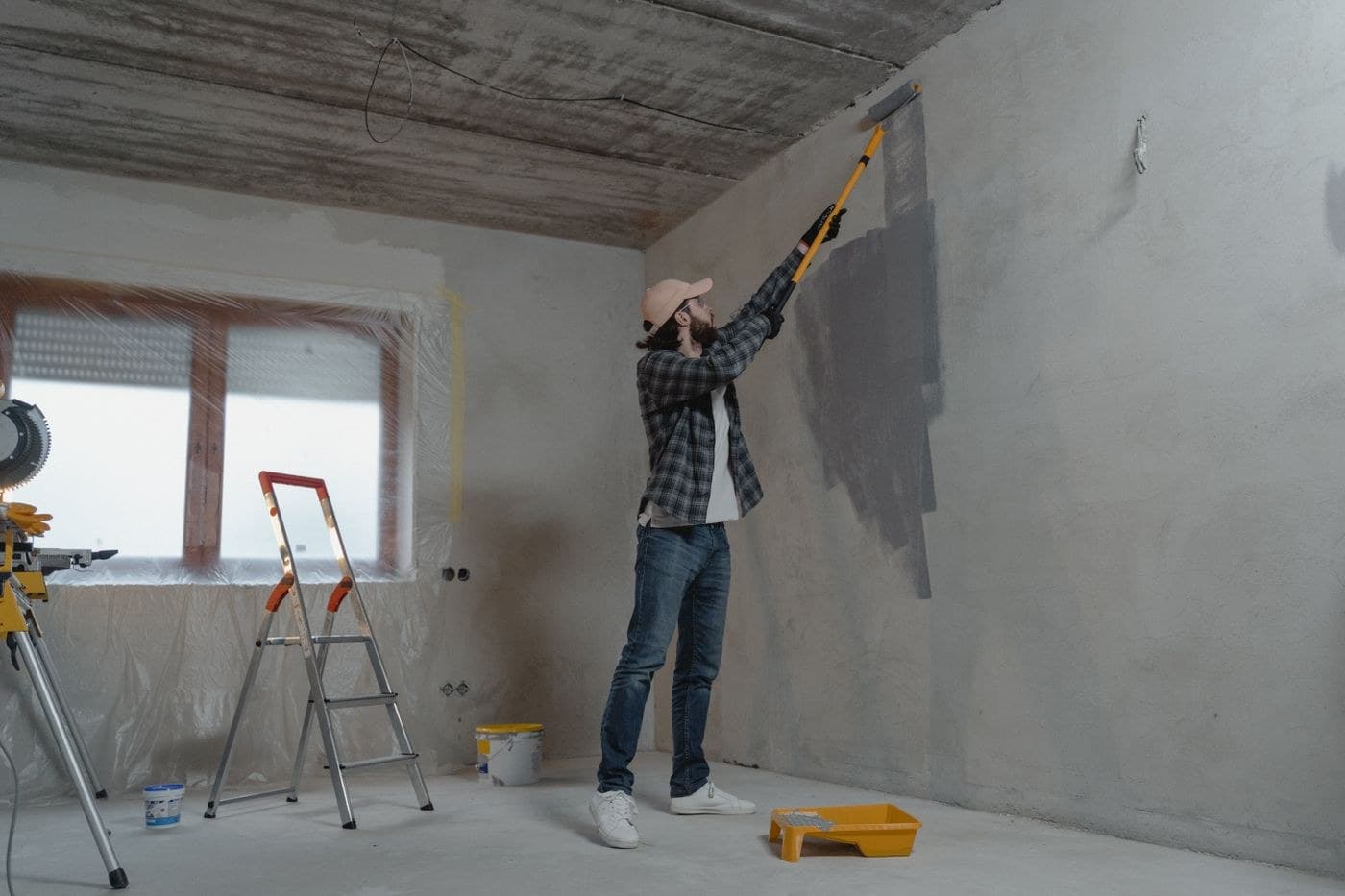
01Prince William County states that permits are required for new construction, additions, installations, alterations or remodeling, demolition, and other work unless the code specifically exempts it. For Bristow, that makes the detailed scope more useful than a broad label such as remodel or exterior update.
02County guidance says zoning approval is required for many exterior improvements, including decks and additions, and separately reminds owners to check HOA or restrictive covenants for exterior changes such as roofing, siding, decks, garages, painting, and landscaping.
03Prince William County requires alteration or repair plans for renovations to existing commercial tenant spaces and uses electronic plan review for commercial permit approval.
04Commercial scope should identify the existing use, affected area, landlord or property requirements, schedule constraints, MEP work, accessibility impacts, and any change-of-use questions before construction is sequenced.
These are the details that can materially change the work, labor, material, access, or project sequence.
Square footage, business use, occupancy type, and finish standard set the baseline for the project.
Phasing, protection, work hours, access, and tenant operations can materially affect execution.
Electrical, plumbing, HVAC, fire/life-safety, ceilings, and inspections can drive both scope and schedule.
Permits, landlord review, material lead times, inspections, and required completion dates need to be tested together.
Your name, property ZIP, what you are seeing, and one contact method are enough to begin.
The same physical scope can become a different project when access, phasing, approvals, or occupancy change.
If a date matters, it should be part of the first conversation so lead times, approvals, and phasing can be evaluated against it.
Landlord criteria, approved hours, certificates, drawings, and access procedures can affect how the work is planned.
Occupied areas, customer routes, critical systems, and business-continuity needs should be identified before scheduling work.
Punch items, documentation, inspections, and final turnover should be part of the plan instead of becoming a scramble at the end.
The useful answer is usually more specific than “it depends,” but the property still has to shape the final plan.
Potentially. Occupancy, access hours, protection, noise, dust, safety, and sequencing need to be built into the project plan.
Yes. The estimate should define the work included, the site constraints, required approvals, and the schedule assumptions for the full project.
Permit and inspection requirements depend on jurisdiction and scope. Those requirements should be identified before work begins and reflected in the project plan.
A target date can be planned around, but schedule credibility depends on scope finalization, approvals, material lead times, inspections, and access. The date should be tested against those constraints before it is promised.
Sometimes. The answer depends on the space, noise and dust, access, utilities, life-safety constraints, work hours, and the type of business. Those constraints need to be identified early.
Plans are helpful when they clearly define the scope. A site walk may still be needed to understand existing conditions, access, building rules, and items that drawings do not show.
The address, intended use, target completion date, drawings if available, landlord or building requirements, and a concise description of the work are strong starting points.
Permit requirements depend on the exact work and property. Prince William County requires alteration or repair plans for renovations to existing commercial tenant spaces and uses electronic plan review for commercial permit approval. We confirm the project-specific path from the actual scope rather than promising a blanket yes or no online.
That is enough to begin deciding what information is needed for a useful commercial estimate. If the property is in Bristow or a nearby area we serve, send the basics and we can start from there.